Your numbers do not agree.
The box office report, card settlement, bank account and accounting records each tell a slightly different story. Reconciliation becomes detective work, and confidence drains away.
Systems Consultancy for the Performing Arts
You don't rise to the level of your goals. You fall to the level of your systems.
I get inside your organisation and trace how finance, ticketing, digital systems, administration and people actually connect. Then I tidy up the relationships between them, so you can see where you stand and make better decisions.
The real problem
You know the feeling. The ticketing report, card settlement, bank and accounts refuse to agree. A process inherited from a previous treasurer or administrator still works, mostly, but nobody is quite sure why. And underneath it sits the quiet question: where do we even start?
It is easy to assume one piece of software is broken, or that one person should be able to fix it. Usually the real problem is wider. The relationships between systems, processes and people have drifted apart.
So another spreadsheet appears. Someone keeps a private set of notes. A volunteer remembers the missing step. Each workaround solves today's problem while making the whole operation harder to understand tomorrow.
The way forward is seeing the organisation clearly — where money and information enter, how they move, who relies on them and where the handoffs fail. When you can see the whole system, you can make calm decisions about what actually needs to change.
The box office report, card settlement, bank account and accounting records each tell a slightly different story. Reconciliation becomes detective work, and confidence drains away.
A ticket sale, membership, grant, supplier invoice or payroll change passes through several hands and systems. Small workarounds accumulate until nobody can see the whole path.
Staff and volunteers are doing their best inside processes they inherited. They need a clearer way of working, not another system dropped on them without context.
How I work
Most discovery happens in one large meeting. It rarely reveals enough. The confident voices fill the space, the specialist details stay in separate heads, and the truth remains fragmented.
So I sit with people individually: the person reconciling settlements, the box office team, the administrator preparing the board papers, the volunteer who knows the membership process, and the person who has quietly kept everything running for years.
My job is to keep rising up until I can see the whole shape at once. I call it business synthesis — understanding how every system, process and person affects the others.
I sit with people individually — box office, finance, administration, production, front of house, volunteers and leadership — and map how the organisation really works.
I trace the information and money across ticketing, banking, accounting, payments, reporting and digital systems, flagging every gap and broken handoff.
I redesign the workflow end to end so systems, processes and people work as one operation rather than a collection of separate fixes.
I set it up, get the information in order, document the practical details and train the people who will use it. The knowledge stays with the organisation.
What I do
Most of the time I do not need to rip everything out. The systems you have can often work; they need to be understood, connected properly and tidied up. Every engagement begins with how your organisation really operates, then builds around the people doing the work.
One-on-one conversations across staff, volunteers, trustees and external partners, mapping what actually happens from the first transaction or enquiry through to reporting.
Accounting structures, banking, card payments, box office settlements, payroll, grants, funding, tax obligations and board reporting — made clear enough to trust and maintain.
Understanding how bookings, refunds, exchanges, memberships, subscriptions and customer data connect to finance, administration and the audience experience.
Websites, ticketing implementation, shared files, email, internal communication and practical digital infrastructure designed around how the organisation operates.
Clear responsibilities, useful documentation and hands-on training for staff and volunteers, so vital knowledge does not live inside one person’s head.
A steady set of eyes for a new season, a system change, a difficult reconciliation, a board question or the moment an inherited process finally needs untangling.
Case Study
A community theatre whose finance, ticketing, website, administration and day-to-day operation needed to be understood as one connected system.
The challenge
Dolphin had no centralised financial system and no shared communication system. Financial history was scattered across spreadsheets and personal email accounts, while box office, builders, administrators and volunteers operated through processes that had grown separately over time. It was difficult to see the theatre clearly as a whole.
The work
Carl reviewed every line entry across 2.5 years, restructured the financial system, designed practical workflows and set up Google Workspace as a central home for communication. He also built Dolphin's website and implemented its ticketing, connecting the public-facing experience with the administrative reality behind it.
“Carl has a knack for taking on large projects and wrangling them down to a manageable size. He brought all of our disparate data under one roof, so we not only had full access to our historical financial data, but also to our current finances with pinpoint accuracy. He allowed the theatre to, for the first time in recent memory, fully visualise our financial past, present, and future.”Mike Daley · President, Dolphin Theatre
What's different
I started back in the '90s, when systems were unreliable, everything lived on a spreadsheet and every process was brutally manual. That is where the judgment comes from: knowing why gaps exist, how processes need to change, and how to bring people along without making anyone feel threatened.
Modern tools can do the heavy lifting faster. But tools are only half of it. Listening, understanding the practical operation and helping people through change — that is the part no platform does for you.
talking to each person until the practical reality behind the process becomes visible.
following money, information and responsibility across systems, not examining each one in isolation.
making change useful to the people doing the work, whether they are staff, trustees or volunteers.
working with what you already have wherever it can be made to work well.
About Carl
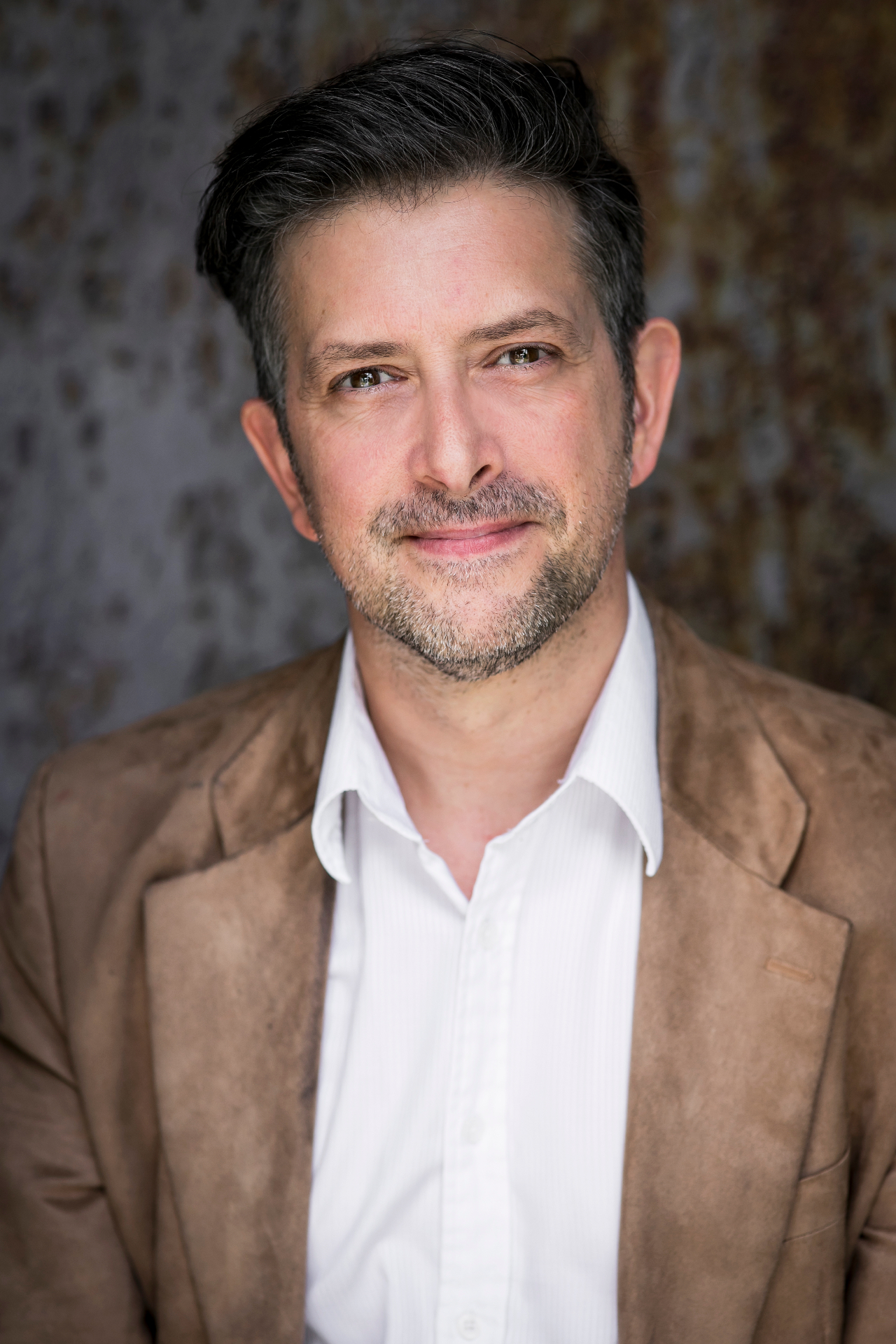
I've been doing this for nearly 30 years, going back to the '90s when everything lived on a spreadsheet and every process was done by hand. I've felt the pain of running an organisation without proper systems, and I've seen what changes when you finally get them right.
I do not rip things out for the sake of it. Most of the time, the systems you already have can work — they just need to be seen clearly, connected properly and tidied up. The instinct is always the same: work with what is there and optimise for your situation, not mine.
Show someone a system that genuinely makes their day easier and they will usually take it and run. People do not resist good change. They resist being made to feel replaceable.
The theatre exists to make and present work that matters to its community. My job is to take the weight of the systems off your shoulders, so staff and volunteers can get back to the reason the organisation exists.
Based in Auckland, New Zealand · Nearly 30 years' experience
Get started
Not sure where to start? That's normal. Book a free initial conversation and we'll look at what is going on across the organisation. No commitment, no pressure. If I can help, I'll tell you how. If I can't, I'll tell you that too.